2026-10-24 ·
Preventing Rodent Damage To Attic Insulation In Riverton Neighborhoods
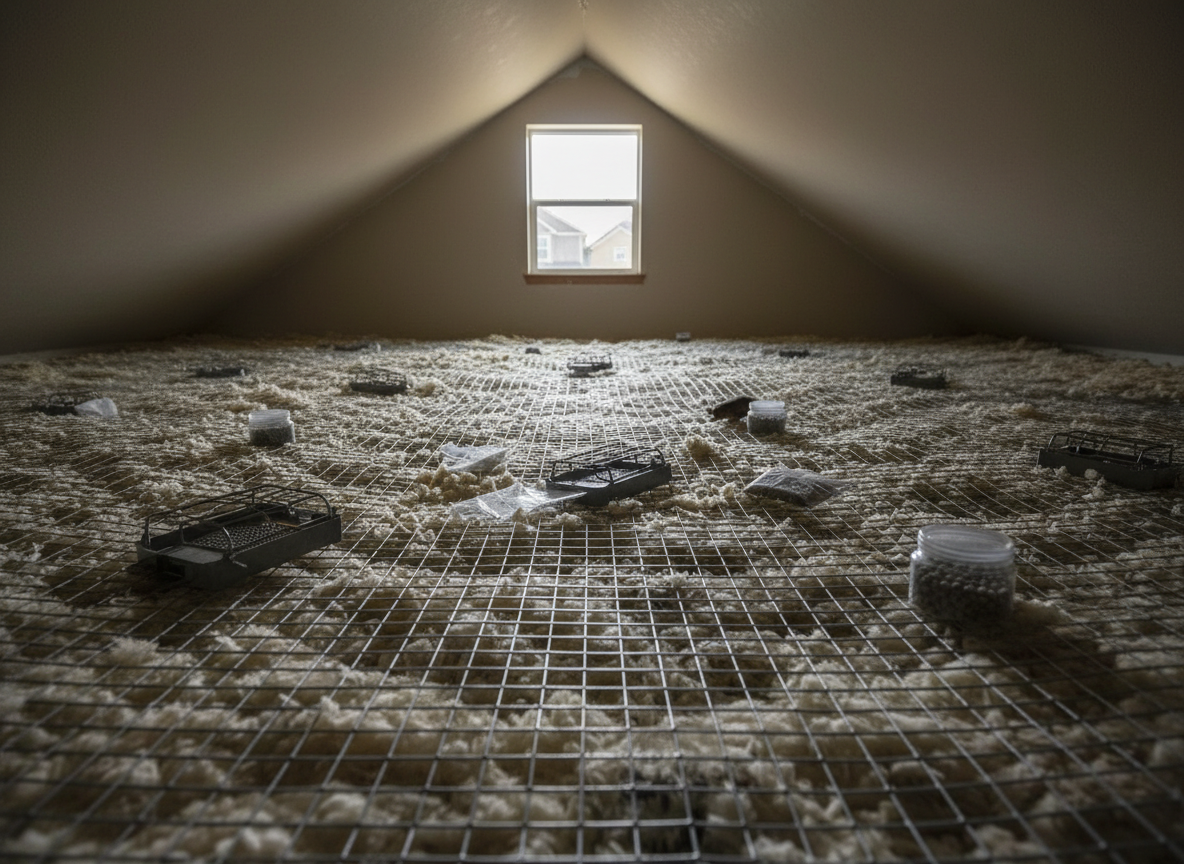
In Riverton neighborhoods such as Riverton Meadows, Western Springs, and Harvest Park, preventing rodent damage to attic insulation begins with sealing all gaps larger than 1/4 inch around pipes, vents, and eaves before temperatures drop below freezing each fall. Salt Lake County's semi-arid climate brings hot summers followed by cold winters that push mice and rats indoors, where they chew through fiberglass or cellulose to build nests. Homes near Riverton City Park and the Old Dome Meeting Hall often feature older construction with more potential entry points due to settling foundations and aging soffits. Regular inspections every six months catch activity early and limit insulation loss to under 20 percent in most cases. Nearby areas like Draper, South Jordan, and Herriman share similar housing stock and weather patterns that increase these risks during the October to March period.
Identifying Common Entry Points in Local Housing Stock
Riverton homes built before 1990 in Harvest Park frequently have gaps at roofline junctions and around chimney bases that rodents exploit within weeks of cold weather arriving. Western Springs properties near open fields see higher mouse traffic because the terrain provides natural cover up to foundation edges. Inspectors check for 1/2-inch holes at electrical penetrations and unsealed dryer vents, which account for most attic invasions in Salt Lake County. Homeowners can use steel wool packed into openings followed by caulk to create barriers that last 8–12 years without degradation. Terrain around Riverton Meadows includes slight slopes that direct water toward crawl spaces, softening wood and creating additional chew paths rodents follow upward. Checking these spots twice yearly prevents widespread insulation contamination that requires full removal later.
How Semi-Arid Climate Patterns Affect Rodent Pressure
Hot summers in Riverton dry out soil and push rodents toward irrigated neighborhoods around Riverton City Park for moisture and food sources. Once winter arrives with temperatures often below 20 degrees, attics become the warmest shelter available, leading to rapid nesting in existing insulation. Cold snaps lasting more than five days increase activity by 30–40 percent according to local patterns, as rodents seek out 6–8 inches of loose material for warmth. South Jordan and Herriman homes experience the same seasonal shift because the region shares the same elevation and weather systems. This cycle means prevention work completed in September holds through spring thaw without additional rodent pressure until the next fall. Linking prevention to proper material choice helps homeowners avoid repeated issues in older stock common across these neighborhoods.
Sealing Methods and Deterrent Materials That Hold Up Locally
Effective sealing uses 1/4-inch hardware cloth over attic vents and expanding foam rated for exterior use around pipe penetrations to withstand freeze-thaw cycles in Salt Lake County. Metal flashing installed at eaves blocks larger rats while allowing airflow that prevents moisture buildup during hot summers. In homes near Western Springs, combining these physical barriers with peppermint oil dispensers placed every 10 feet deters mice without introducing chemicals into living spaces. Professional attic insulation teams often recommend rockwool or dense cellulose because rodents avoid these textures more than standard fiberglass. Checking for new gaps after wind events common in the area keeps barriers intact year-round.
When Insulation Removal Becomes Necessary
Once rodents have nested for more than one season, contaminated sections must be removed to eliminate health risks and restore R-value performance. Professional insulation removal followed by sealing and reinstallation prevents recurring damage in Riverton Meadows homes where older batts have been shredded into nesting material. Homeowners weighing options can review cost factors for attic insulation in older Riverton homes to understand variables like access difficulty and material volume. Choosing the right replacement also matters; see guidance on choosing the right insulation type for Riverton attics before work begins. This sequence restores comfort without repeated repairs during the county's extended winter period.