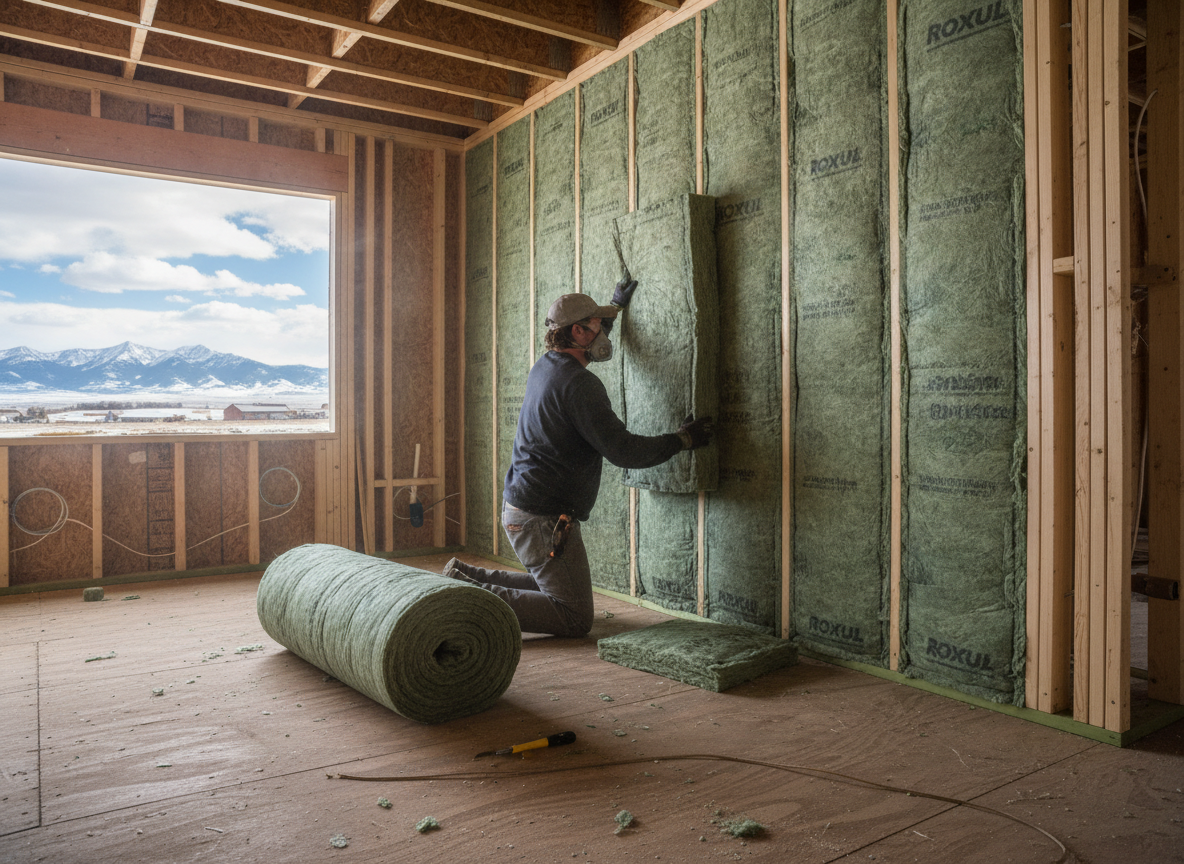
Soundproof insulation in Riverton attics requires dense materials like mineral wool or cellulose that absorb both airborne and impact noise while also handling the shift from hot summers to freezing winters. Homes in neighborhoods such as Harvest Park often feature older truss systems with limited depth, so installers must add resilient channels or mass-loaded vinyl layers without compressing the existing thermal barrier. Salt Lake County building codes emphasize proper ventilation, meaning any soundproof upgrade must preserve airflow to avoid moisture issues during cold snaps.
Terrain around Riverton Meadows creates unique sound paths from nearby roads in South Jordan and Herriman, where wind carries noise into attics with poor sealing. Technicians check for gaps around recessed lights and plumbing penetrations before placing baffles and dense batts. This approach prevents sound flanking that standard fiberglass misses, especially in homes built before modern energy standards became common in the area.
Edge cases include attics over kitchens where cooking odors and noise rise together, requiring vapor barriers rated for both sound and humidity control. Installers in Western Springs routinely test for existing insulation settling caused by decades of temperature swings before adding soundproof layers on top.
Local Housing Considerations
Riverton homes near Old Dome Meeting Hall and Riverton City Park frequently have balloon framing that lets sound travel vertically, so soundproof insulation must extend into knee walls and soffits rather than stopping at the attic floor.
Technician insight
In Riverton, the thing that catches most people out with soundproof insulation is how cold winter winds whip across the flat terrain and drive noise through unsealed soffits in older Western Springs homes that never had proper baffles before layers are added.
Traffic Noise Reduction in Harvest Park
A homeowner in Harvest Park reported constant road noise from nearby routes. Inspection revealed gaps around attic vents allowing sound to enter. Dense mineral wool and resilient channels were added while keeping airflow intact. The result was a noticeable drop in interior noise levels.
How it works
- 1
Assessment
Inspect attic structure, existing insulation, and noise entry points in Riverton homes.
- 2
Material Selection
Choose dense sound-absorbing products suited to cold winters and hot summers.
- 3
Installation
Add baffles, channels, and insulation while maintaining ventilation.
- 4
Sealing and Finish
Close gaps and verify sound reduction before final walkthrough.
Pricing
Pricing varies by attic size, material density, and access difficulty; upfront quotes provided for every Riverton project.